
HEALTHCARE IT
End-to-end IT solutions for healthcare organizations.

Complex solutions designed to transform your business.

Optimize your entire marketing and sales ecosystem.

Accelerate business performance with data-driven decisions and a connected CRM and ERP solution.

Tailored marketing strategies paired with deep technology expertise.

Transform data into information that accelerates business insight.

Build new or modernize existing applications by integrating new software and technologies.

Unlock all of the benefits and security options available leveraging the cloud.
RESOURCES
FREE DOWNLOADS

Map your current integration landscape: what systems are connected, what data is flowing and what isn't, where manual workarounds exist, and which interfaces are fragile or undocumented. The deliverable is a prioritized integration roadmap, not a generic architecture diagram.
PG designs, configures, and deploys integration solutions directly. HL7 interfaces, FHIR-based APIs, middleware configuration, and custom data mappings. Hands-on implementation: PG doesn't hand off specs and walk away.
Post-deployment monitoring, error handling, and governance. Integrations break when systems update, payer rules change, or new modules go live. PG provides ongoing support and documentation so your internal team can maintain what was built.
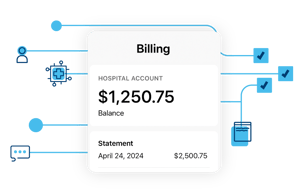
Connecting charge capture, claims submission, and remittance posting. Fixes revenue leakage caused by dropped charges and manual billing workarounds.
Orders and results flowing automatically between your EHR and LIS or PACS. Eliminates manual result entry and reduces turnaround time for clinical decisions.
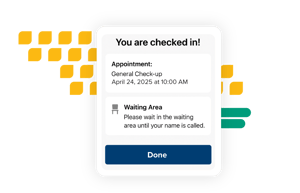
Appointment scheduling, intake forms, messaging, and records access integrated with your EHR without creating data silos.
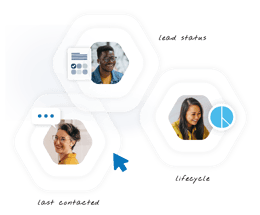
Connecting clinical data with referral management, marketing automation, and patient outreach. PG's CRM practice works alongside the integration team.
When switching EHRs or consolidating after an acquisition, PG manages data mapping, conversion, and interface rebuilds.
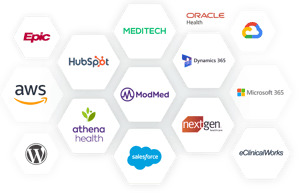
Hands-on integration experience with MEDITECH, eClinicalWorks, ModMed, Greenway Intergy, Cerner/Oracle Health, athenaOne, and NextGen. Your partner needs to know your system's data model, not just the standards.
We stay involved from planning through long-term support, providing a single point of accountability. Our team works alongside yours to ensure successful delivery and ongoing performance.
Our consultants include former EHR vendor engineers, certified interface developers, and seasoned integration architects. Together, we design standardized, scalable solutions that remove roadblocks and accelerate delivery.
Dropped lab orders, failed charge capture, and broken eligibility checks are integration problems that show up as financial problems. PG connects integration work to revenue cycle outcomes.

Aylo Health, a growing primary healthcare provider, was using a scheduling tool to engage with patients to facilitate scheduling and automate flows. The tool was intended to send patients appointment reminders, check them in, input intake data, assist patient advocates in navigating the office, and more...
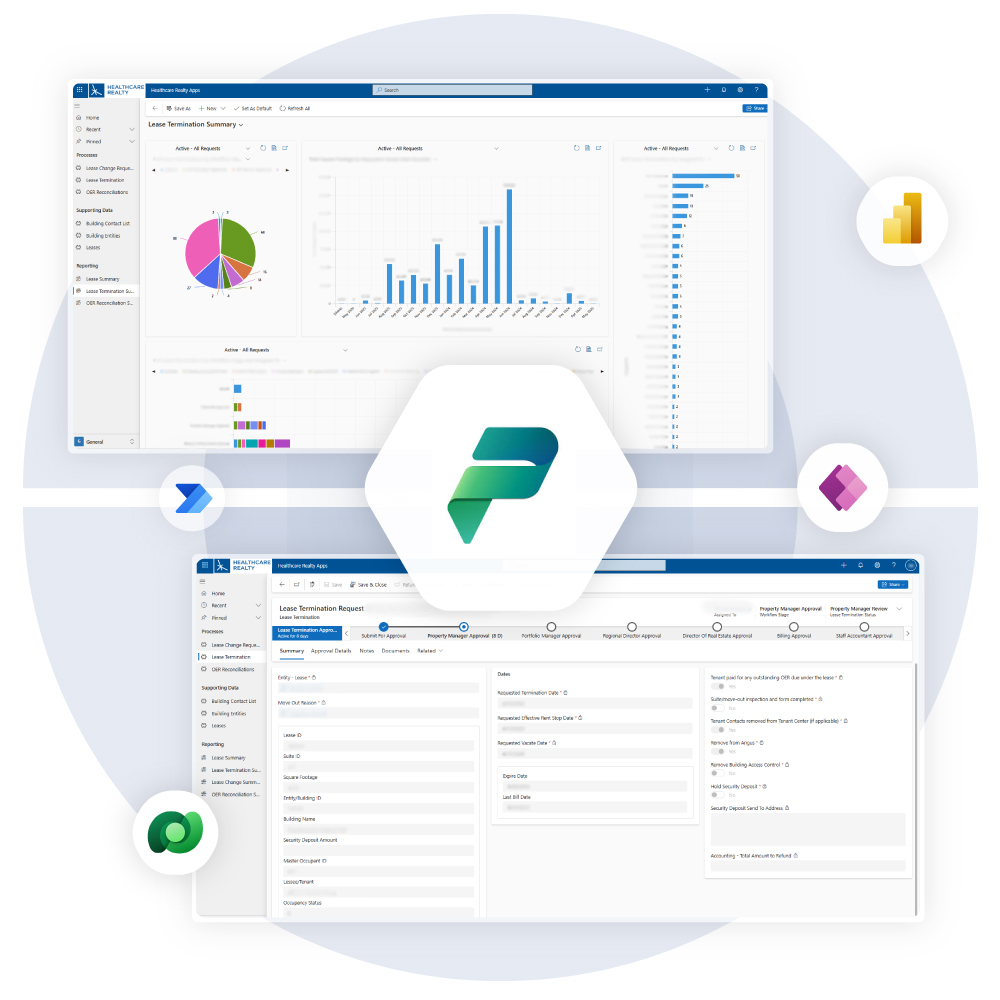
Read MoreA mobile wound care provider delivering services to skilled nursing facilities across multiple states faced major operational hurdles as demand surged. Their clinical team delivered care at patient sites—but behind the scenes, processes were being held together with whiteboards, spreadsheets, and group texts...
Read MoreThe clinic has a strong online presence and runs local ads to drive prospects to the top of its marketing funnel. At the lead stage...
Read MoreProcess gaps were causing the company to miss implementation targets when acquiring new clinics regularly. When our client...
Read MoreHealthcare Industry Using HIT Project Management to Save Millions in Overhead Services Provided Security EMR Training Automation Compliance Implementation The Challenge: Missing Deadlines This client is a multi-billion-dollar hospital management company in 22 states...
Read MoreThe Challenge: Migration Our client is the nation’s largest hospital company, owning, leasing, or operating nearly 200 hospitals in 29 states...
Read MoreOur client invested over $36M a year to build a health network spanning 14 hospitals and 12,000 employees. Past the support deadline for 18,000 computers, a growing health network turned to...
Read More